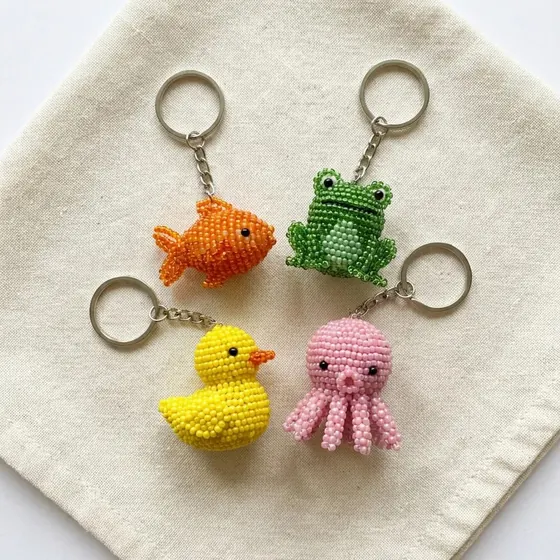
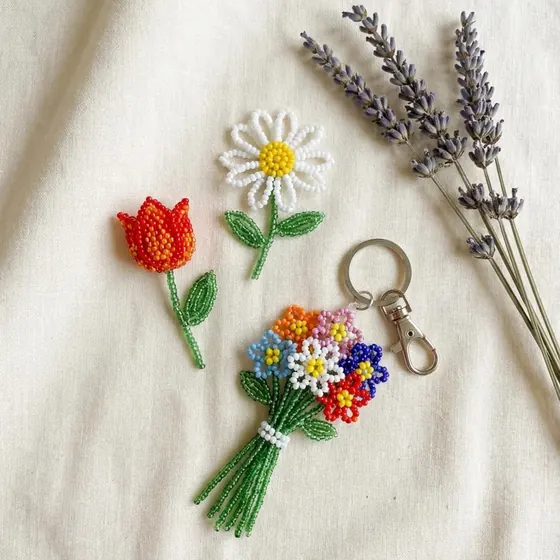
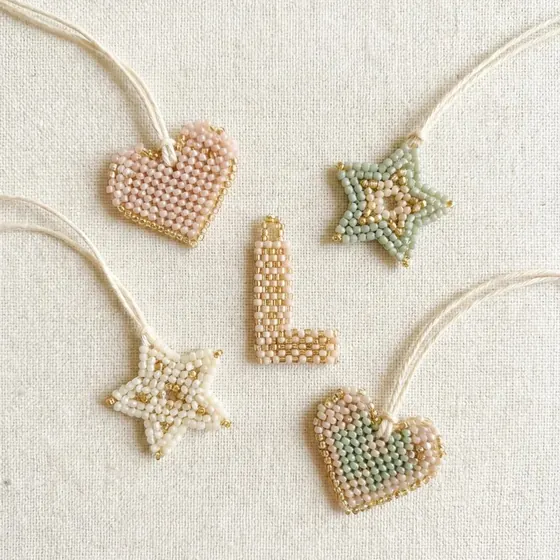
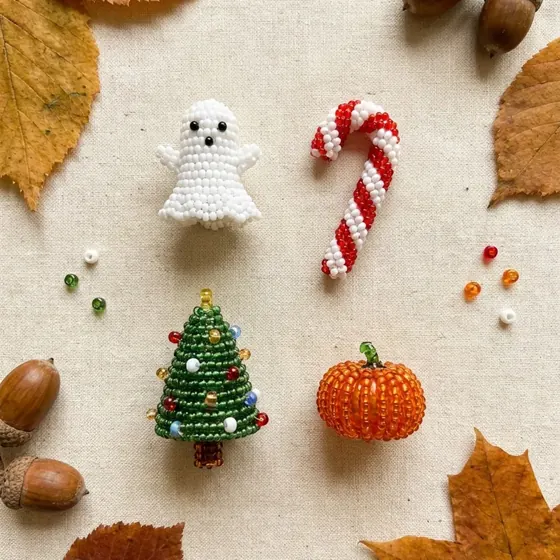
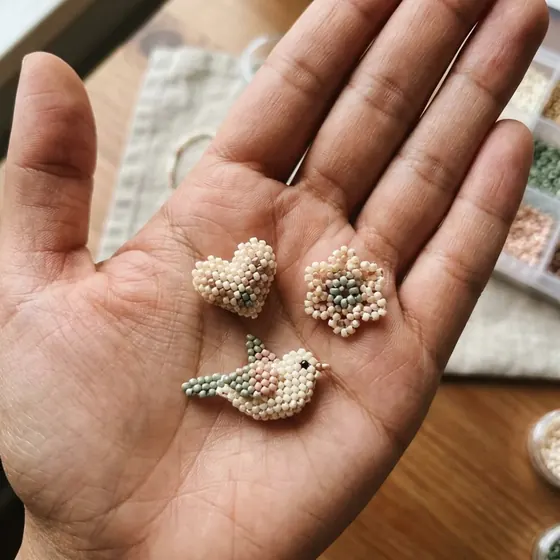
70+ step-by-step 3D bead weaving patterns. A needle, a bag of beads and about two hours β and there's a tiny octopus in your hand that didn't exist this morning. No sewing, knitting or crochet experience needed.
The videos are hypnotic. You've watched forty. You've never threaded a needle.
Beads come in a dozen sizes, each with its own number. Thread that snaps. Needles too thick. One wrong order and the money's gone.
Rows that won't line up. A shape that goes soft in your hand. And nothing, anywhere, tells you why.
Half a crochet blanket. A watercolour set still in its plastic. You'd rather not add to that pile.
It's an instructions problem. This isn't knitting or crochet β it's bead weaving: a needle, thread, and tiny glass beads that lock into a shape you can hold.
2,800+ women picked this up in the last twelve months. Not because beading is trendy β because of four things that are true about it and almost nothing else.
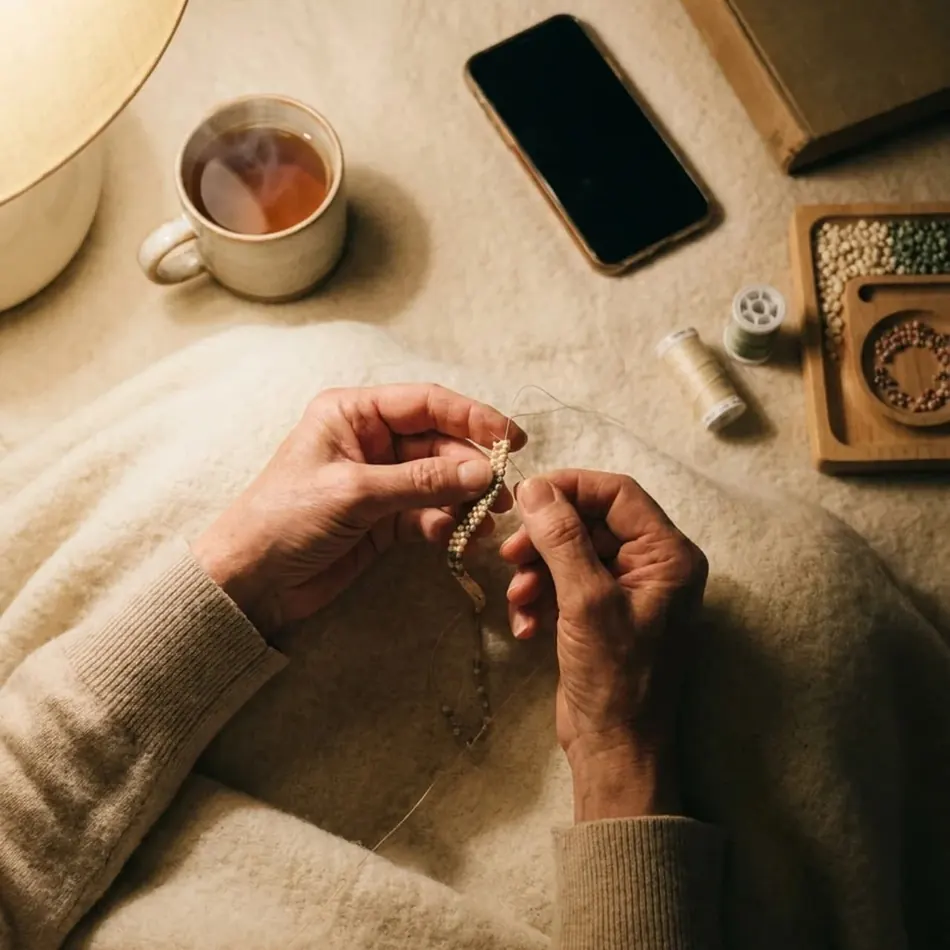
No craft room. No table you have to leave set up. A needle, thread and a bag of beads for under $15 β and the whole thing lives in a jar on a shelf.
Most pieces are done in under two hours. The little fish takes about one. You start and end on the same night β that's the entire point.
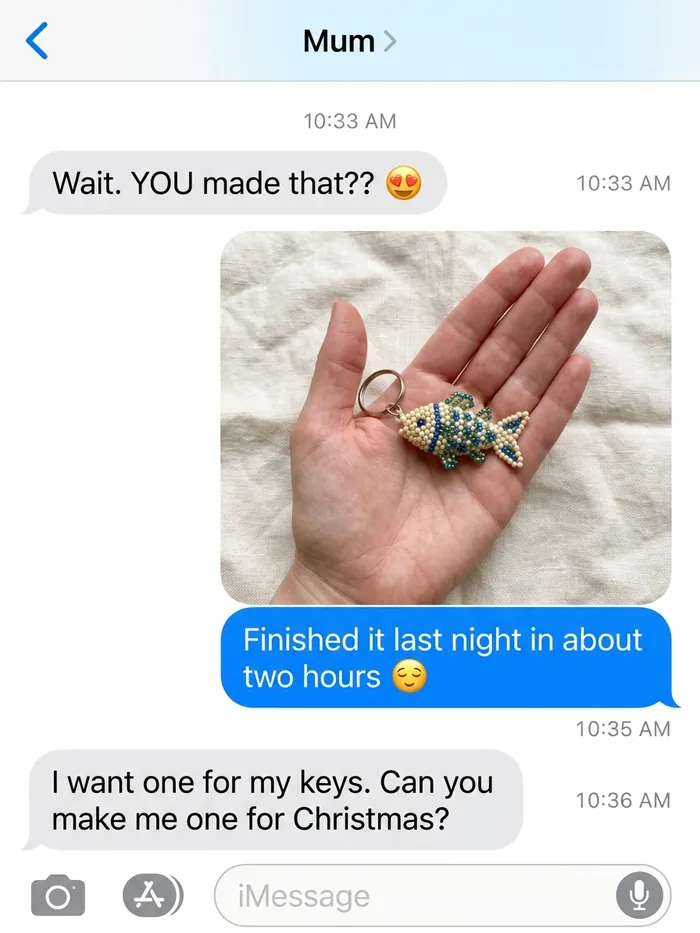
This isn't a picture of a fish. You close the weave and a body appears β a front, a back, something with weight that hangs off your keys.
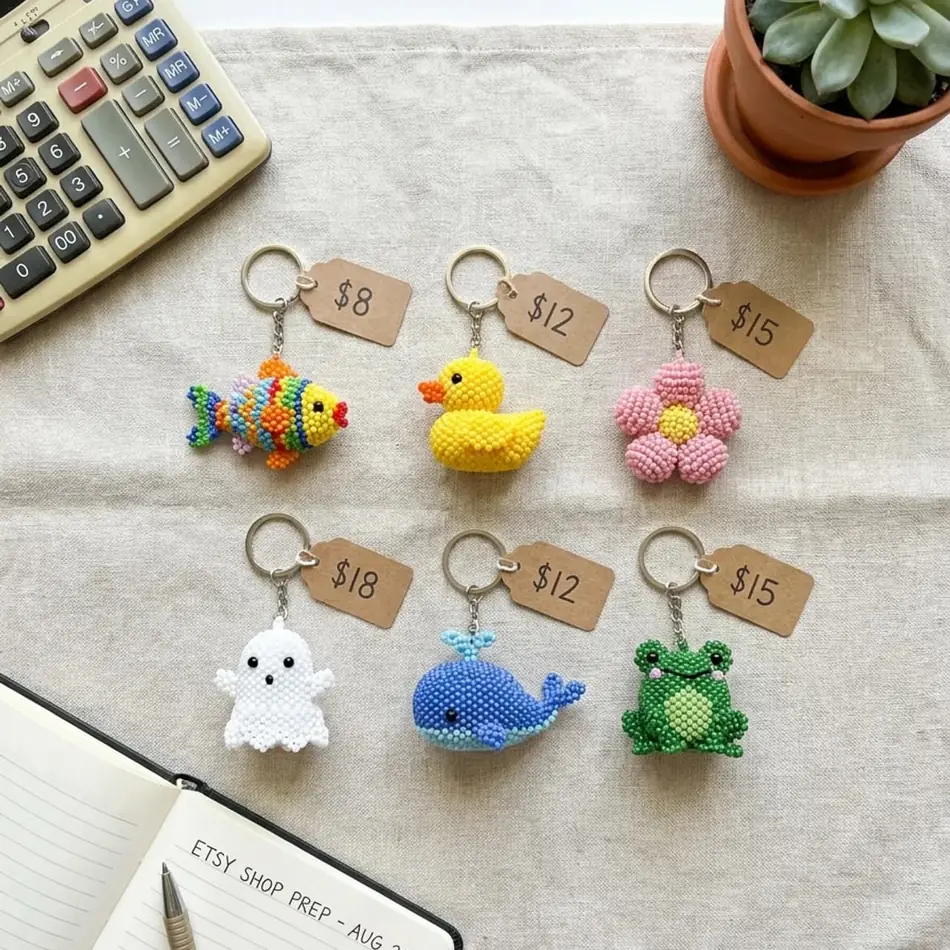
Every time. And the day you feel like answering "I made it β want one?", keychains go for $8β$18. You decide if and when.
You don't need steady hands and you don't need to call yourself crafty. Pick the one that sounds like your reason.
Not another app, not another episode. Something to do with your hands after dinner that leaves something behind. Beading is repetitive on purpose β bead, bead, bead β and it's the closest thing to a quiet head you'll get without meditating.
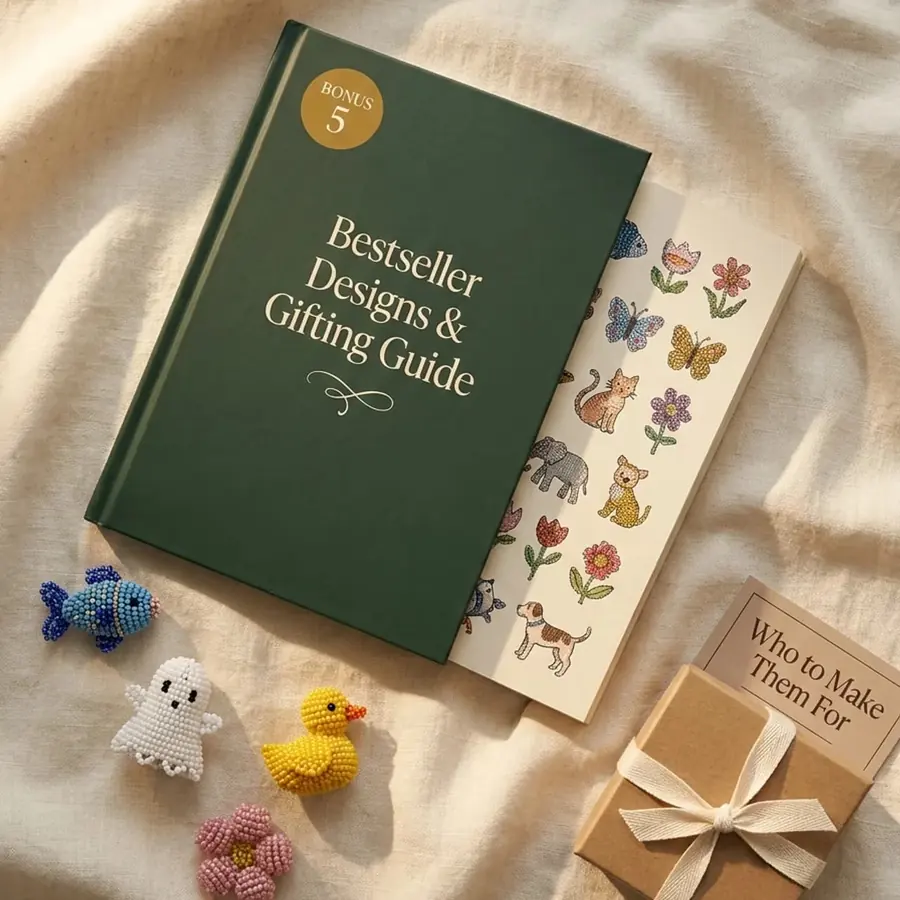
A tiny beaded whale on a keyring beats a candle from the shop, and it costs you one evening and about a dollar in beads. Bonus 5 tells you which designs get requested most, and who to make each one for.
You're not starting a business. But a keychain that takes an hour sells for $8β$18, and once the third person asks you for one, the maths starts doing itself. Bonus 4 covers pricing, photos and the first sale.
Pick a pattern from the 70+ inside and thread your needle. No special tools, no machine, nothing to assemble.
Follow the diagram row by row, one bead at a time. It's colouring by numbers, with beads. Twenty minutes in, your hands take over and you stop thinking about it.
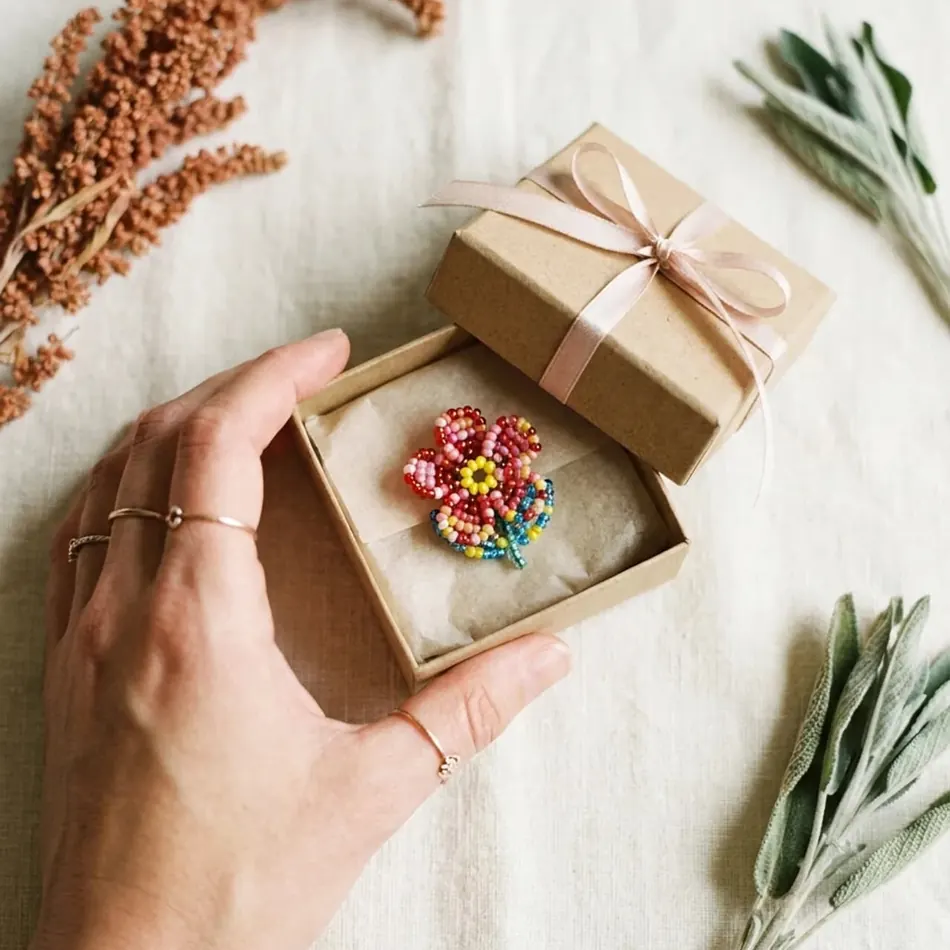
Close the weave around the core and the flat rows pull into a body. That's the moment. Keep it, hang it off your keys, or give it away.
Every pattern is timed, because "how long does this take?" is the question everyone asks first. The little fish: about an hour. The frog: under two. The octopus is the long one at about three, because each leg is woven separately before you put it together.
Times are what a beginner actually takes following the diagrams β not demo speed. If you ever decide to sell them, the Selling Guide covers pricing; keychains tend to land between $8 and $18.
Each one kills a specific reason people quit in the first week. Included today, not always.
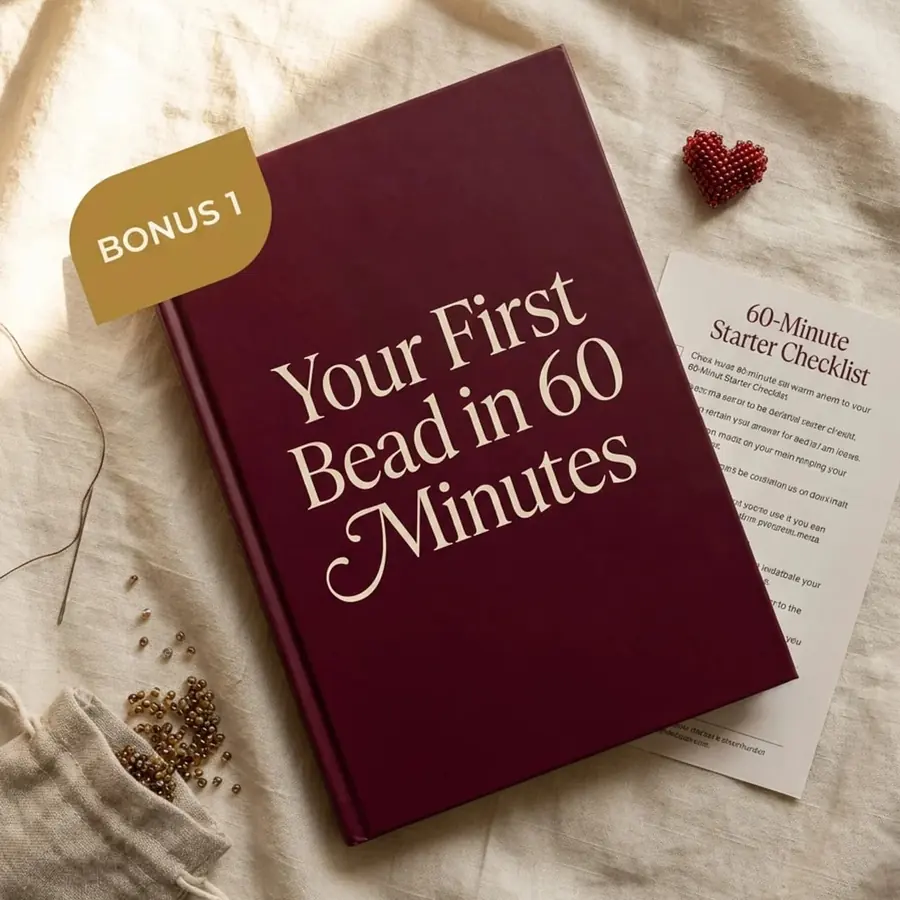
One guided project, built to be finished in under an hour. So the first thing you do with this method is finish something β not read about it.
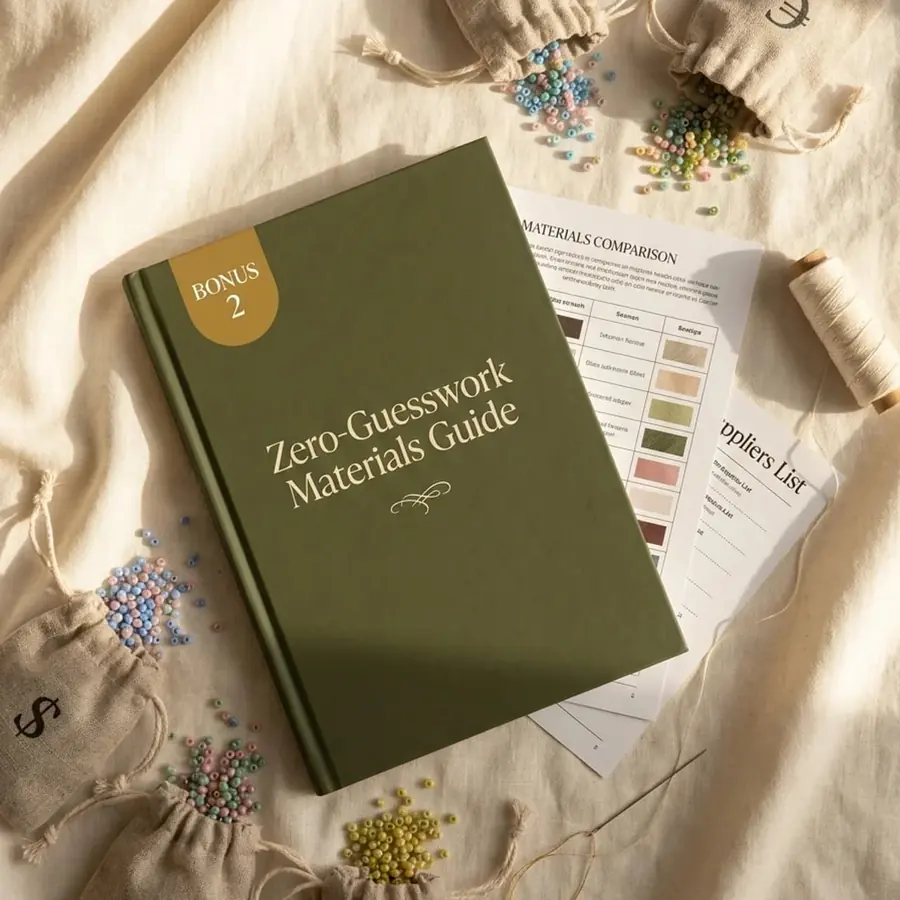
Exactly which beads (size and number), which thread and which needle, with links that work worldwide. Plus the short list of what not to buy, so your first order isn't money in the bin.
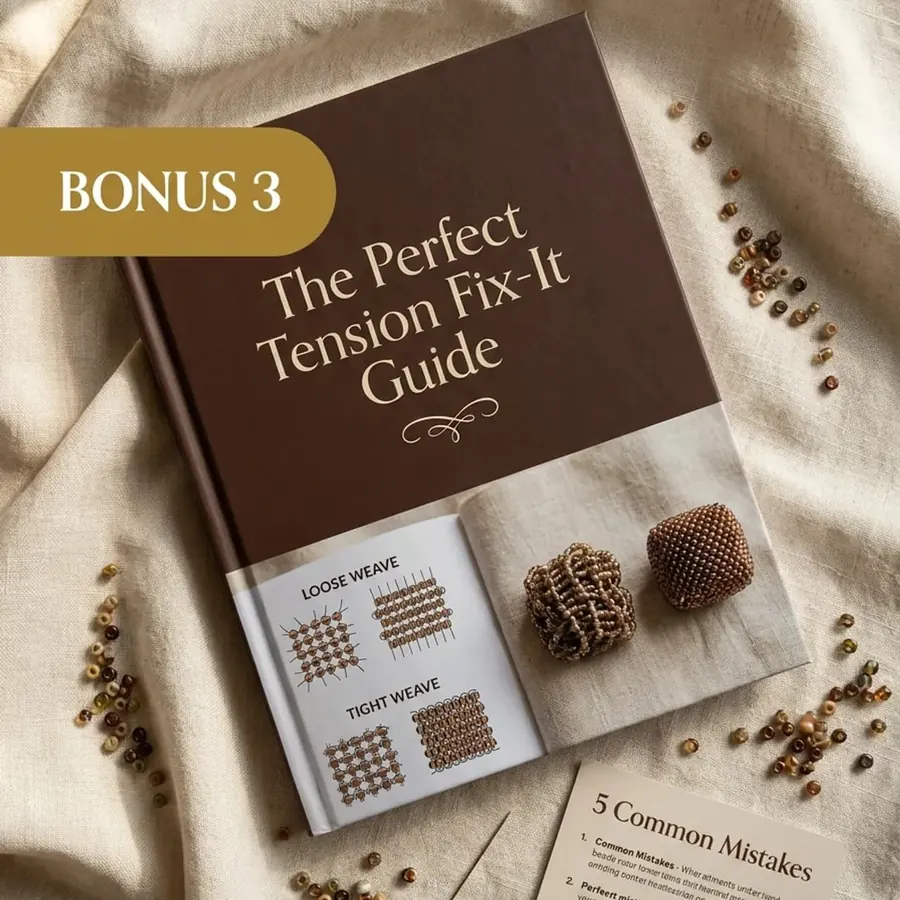
Why the rows won't line up. Why it came out droopy. The five mistakes every beginner makes and the exact fix for each β including the two-minute one that makes most people quit.
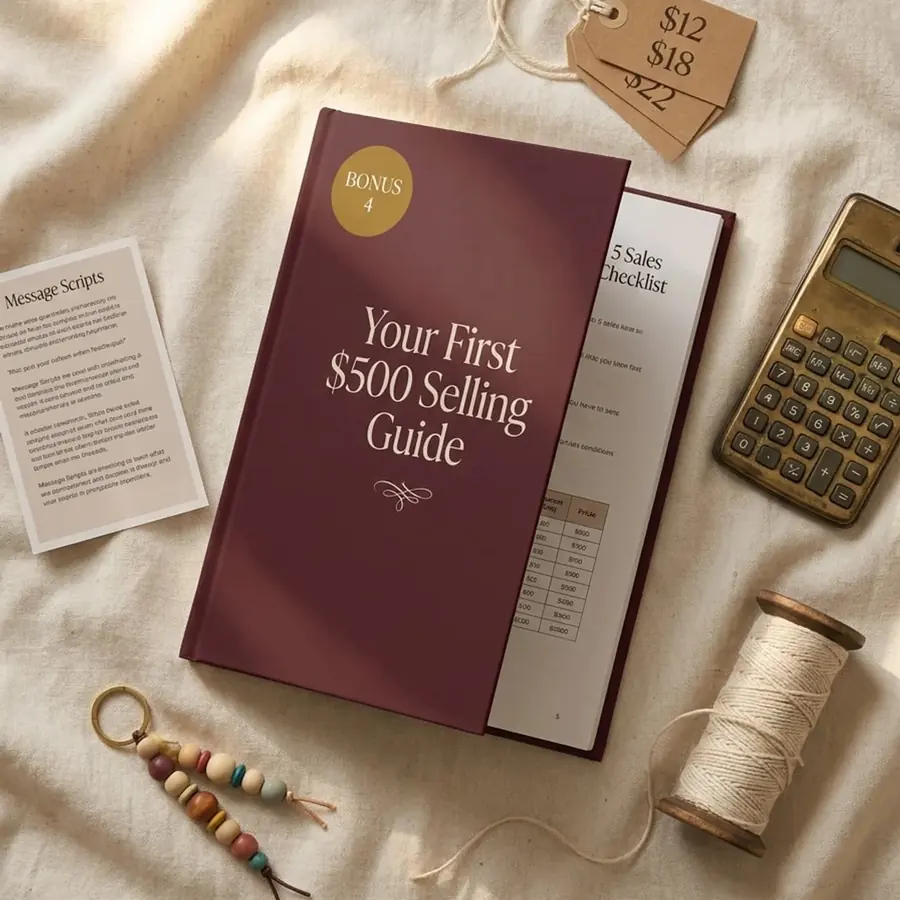
What to charge, how to photograph a piece so it doesn't look homemade, and how to land the first sale. No platform-specific fluff.
The patterns that get requested and gifted most, with a note on who to make each one for β for when you've finished three and don't know what's next.
One-time payment. Lifetime access.
One-time payment
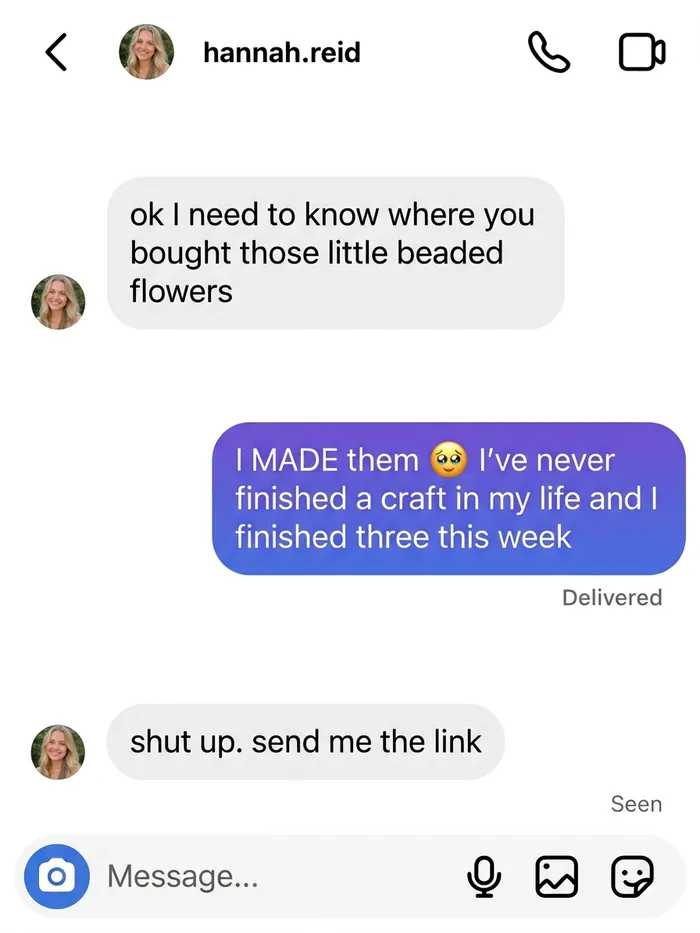
Sooner or later somebody asks where you bought it. This is what that looks like.
Try the method. Follow the guides. Weave your first piece. If it doesn't turn out how you expected β or this just isn't your thing β email us within 14 days and we refund you in full. You keep the files. No forms, no questions.
No. Crochet uses a hook and yarn. This is bead weaving: a needle, thread and tiny glass beads. The techniques inside (peyote, brick stitch, circular beading) are all explained with diagrams as you go, so you don't need to know a single one beforehand.
That's exactly who this was built for. Bonus 1 is one guided project designed to be finished in under an hour, on day one, by someone who has never held a beading needle.
Beads, thread and a needle β under $15 to start. Bonus 2 names the exact sizes and brands, links to where to get them, and just as importantly tells you which ones to avoid.
The little fish is about an hour. Most patterns land under two. The octopus is the long one at roughly three, because the legs are woven separately and then joined. Every pattern in the library is labelled with its time.
The movement is threading through a hole, not drawing a line β it's forgiving in a way most crafts aren't. And if the smallest beads feel fiddly, the materials guide lists the larger sizes to start with.
Yes, the pieces are yours. Bonus 4 covers pricing, photographing them and landing the first sale.
By email, the moment you check out. Printable PDFs, yours forever β one payment, no subscription, nothing expires. And if it's not for you, the First Piece Promise gives you 14 days to say so.
That's the whole pitch. Not a course you'll get to one day β a needle, a bag of beads, and a finished thing in your hand before bed. The launch price ends soon; after that the bundle goes to $57.
Start my first piece tonight β $27 β